














支持中心

国内业务
周一到周五,8:00 - 18:00
联系电话:18102225074(同微信)
邮箱: market@edgene.cn

国际业务
周一到周五 8:00 - 18:00
Tel: +86-19120102676(WhatsApp)
Email: info@editxor.com

客服微信
快速售前支持
Office WhatsApp

微信公众号
关注艾迪基因,可及时获取更多优惠内容!

CRISPR那些事儿
一个有温度的学习基因编辑学习中心
为你解读更多前沿基因编辑技术动态!
FAQ
Why choose EDITGENE?
EDITGENE provides access to a comprehensive library of over 4,500 high-quality knockout (KO) cell lines, enabling researchers to save valuable time. Our custom gene knockout services are highly efficient, boasting a high positive rate while minimizing off-target effects. Clients also benefit from personalized, one-on-one support from a team of PhD experts from globally renowned institutions, ensuring top-tier service and results.
What is the difference between KO cell lines and gene knockout animal models?
KO cell lines are used for in vitro experiments, suitable for high-throughput screening and cellular studies, while gene knockout animal models are used for in vivo experiments to study gene functions within an entire organism and its interaction with the environment.
Why do researchers use KO cell lines?
Researchers use KO cell lines to investigate gene functions by observing the effects of gene deletion on cellular behavior. This helps in understanding the role of genes in various processes like cell growth, metabolism, and signal transduction. KO cell lines are vital for studying diseases like cancer, genetic disorders, and neurodegenerative diseases.
What is a KO cell line?
KO (Knockout) cell line is a cell line where a specific gene has been completely removed or rendered non-functional through gene editing technologies such as CRISPR-Cas9. These cell lines are critical for understanding gene functions and disease mechanisms.
Are KO cell lines applicable to all cell types?
KO cell lines can be applied to various cell types, including cancer cells, stem cells, and primary cells, but different cell types may have varying sensitivities to gene editing, and may vary among different cell types. In certain cell types, achieving gene knockout may require optimization of transfection conditions and selection of appropriate gene-editing tools.
What is gene overexpression?
Gene overexpression refers to using various techniques to significantly increase the expression level of a specific gene in cells or organisms. This is often achieved by introducing additional gene copies or using strong promoters to drive gene expression.
Why conduct gene overexpression?
Gene overexpression aids in studying the function of specific genes, revealing their role within the organism. It is also commonly used in drug screening, vaccine development, and protein production. For example, by overexpressing a therapeutic protein, researchers can evaluate its efficacy in disease models.
为什么选择慢病毒作为基因传递工具?
慢病毒具有很高的转导效率和长期稳定的基因表达能力,特别适合于难以转染的细胞类型。此外,慢病毒能够将外源基因整合到宿主基因组中,保证了长时间的基因表达。
如何选择合适的基因递送方式?
选择适合的基因传递系统需要根据具体实验条件、研究目的以及细胞类型等因素综合评估。定量比较各种系统的传递效率、细胞毒性和稳定性等是进一步明确选择的重要步骤。
病毒递送系统适用于需要高递送效率、基因持续表达的试验,细胞可承受较高的细胞毒性和免疫反应;如果需要较低的细胞毒性和免疫反应,并且操作简便、成本低,则选择脂质体基因传递系统。如果需要高递送效率、递送大片段DNA,且能接受较高的操作难度,基因枪基因递送系统是一个可选的方法。假如需要高递送效率,操作相对简单,且无需特殊设备,电穿孔递送系统可能是一个适合的选择。
KO细胞系与基因敲除动物模型有什么区别?
KO细胞系和基因敲除动物模型都用于研究基因功能,但它们各自有不同的应用场景和优势。KO细胞系在体外实验中使用,适用于高通量筛选和细胞水平的基因功能研究。基因敲除动物模型则在体内实验中使用,适用于研究基因在整个生物体中的功能及其与其他基因和环境的相互作用。
单质粒系统和双质粒系统文库载体的区别?
单质粒系统一次转染即可完成基因编辑,构建相对简单,但质粒较大并导致
感染效率偏低;双质粒系统中,使用使用两种载体分别装载Cas9或sgRNA表达盒。先构建Cas9稳转株,然后在Cas9稳转株的基础上转染sgRNA文库。有如下优点:
1)提高编辑效率:Cas9蛋白和sgRNA在不同的载体上独立、稳定表达,可以提高编辑效率。
2)灵活性:可以根据实验需要,灵活地进行载体设计和构建。比如一个载体装载两个sgRNA表达盒。
1)提高编辑效率:Cas9蛋白和sgRNA在不同的载体上独立、稳定表达,可以提高编辑效率。
2)灵活性:可以根据实验需要,灵活地进行载体设计和构建。比如一个载体装载两个sgRNA表达盒。
艾迪基因的单克隆筛选服务有哪些独特的优势?
艾迪基因采用行业顶级的3D单细胞打印技术,能够将单个细胞精确地分离和定位,可以大大提高单克隆筛选的成功率和工作效率。这项技术广泛应用于生物医药研发、抗体开发、药物筛选和治疗选择等领域,在细胞研究领域有着广泛的应用前景。
能否检测未知新基因?
目前玉米蛇无详细的参考基因组数据,艾迪基因目前只提供已知基因检测服务。
检测需要提供什么样品?
目前建议提供蜕化的蛇皮即可检测。
检测准确率如何?
依托艾迪基因实验室,采用双盲复核机制,第三方公司测序验证,准确率>99.9%。

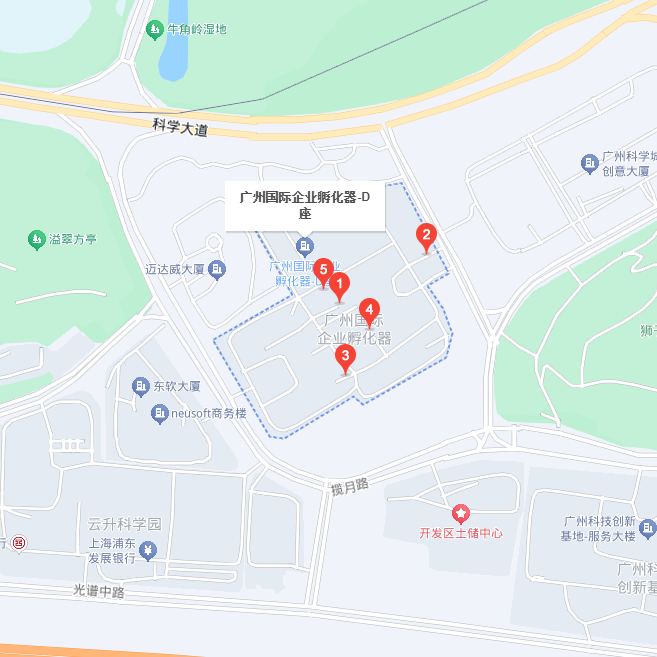
广州市黄埔区科学城掬泉路3号广州国际企业孵化器D栋501室